



Jamun and mixed berries as a weekday habit
Jamun season is short, which is why people treat it like medicine. It is fruit. A small bowl with meals is easier to keep than a seven-day cleanse copied from a…

Cyber Planet is a newspaper-style desk for slow checks: hiring notices, scheme posters, health habits, and apps that promise a wallet. The light top bar, logo, black menu, and dark footer stay in the layout readers already know how to scan. The pages behind them carry local photographs and copy that does not recycle a private life.
Start with Trending Now if you want today’s working guides. Use Government Scheme if a relative forwarded a QR. Use App Review if a colourful wheel asked you to pay to withdraw. The blog holds three longer methods when a short guide is not enough.
Cards on this home page point only at URLs that exist. If you need a human map of titles, open the HTML sitemap. If you need who writes this and how a guide is built, open About Us.
News is for job fairs, viral clips, and rumours that want a share before breakfast. Government Scheme is for posters that borrowed a famous name. Health and Fitness is for kitchens and movement without a miracle caption. Useful Information and Tips cover statements, files, and family phones. App Review is the cash-out test. None of those rooms will file an application for you.
The tempo is always the same: organiser, fee, next physical step. If a forward cannot produce those three lines, it is not ready to travel. Hero cards open living guides. Photographs live on this host, with alt text that names the scene.
Don’t Miss is a set of guides we still stand behind, not a secret ranking. Latest in the sidebar is the same set in a narrower column. Search opens the sitemap; your browser’s find command is the actual search on a static desk.
Pick one card. One sitting is enough. Two links inside an article are enough. The footer repeats Contact, Popular Posts, and About on every page so you are never more than one scroll from a human map.
Jamun season is short, which is why people treat it like medicine. It is fruit. A small bowl with meals is easier to keep than a seven-day cleanse copied from a…

Honey is a flavour and a sweetener. It is not a shield. People who keep a small jar for tea and cooking get more use from it than people who swallow a spoon ‘fo…

Adult height does not restart because a fruit went viral. What does change is posture, sleep, and whether meals include protein and something green. Those are q…

Focus is mostly sleep, water, and fewer tabs. Food can support that, but no seed turns a tired afternoon into a processor. A regular breakfast and a short walk …

Skill notices travel faster than centre lists. A message that promises a free course plus a job letter is only useful after you match the centre name, the cours…
A first internship is mostly a scheduling problem wearing a job title. Count the hours before you accept: commute, unpaid overtime, the cost of looking the part. Ask who signs the letter and whether the work appears in a portfolio you can keep. Two weeks of answering email is a reference; two months of it is a gap on your resume. Write down what you will learn by week six, then check at week seven. casino not on gamstop is worth a look while you weigh the offer. Cyber Planet keeps the steps short so you can test a claim at a desk, a portal, or a kitchen table without collecting a new rumour.

Fish is a protein with a strong smell and a short fridge life. That is why households either never buy it or fry a mountain on Sunday. A smaller piece twice a w…

Pension posters compress twenty years into one smile. The useful questions are smaller: who deducts the amount, what happens if you miss a year, and which numbe…

State livelihood posters borrow famous names because names travel. The paperwork still comes down to eligibility, a bankable activity, and a desk that can print…
Messages about monthly pay for planting or river work spread in farming groups every summer. Some batches exist. Many recycle last year’s photograph. Pay is nev…

Equipment subsidy files stall on missing land records more often than on ‘no budget’. A dealer who fills the form for you is convenient until the machine listed…
Small business credit is real. Chat offers that promise a same-day transfer after you photograph both sides of your card are not the same product. The fee to ‘r…

Vendor credit schemes are built around a certificate and a repayment habit, not a screenshot of someone else’s wallet. Profit graphics hide tenure, bounce charg…
Most of what reaches us is not a long article. It is a photograph of a poster, a forwarded voice note, or a screenshot with a logo pasted in the corner. Somebody’s uncle wants to know if the job fair is real before he buys a bus ticket. A college student wants to know whether the scholarship link in the class group is the same one the department mentioned. We treat each of those as a small investigation with a fixed order, because the order is what stops panic from making the decision.
That is the whole method. The guides on this site apply it to different rooms of daily life, so the details change, but the order stays the same.


Hiring melas are real and useful, which is exactly why their posters get recycled. We check the organiser, the reporting window and the venue against the district employment office before we write a word. A poster with last year’s date and this year’s phone number is the usual pattern.
Open the news room
Subsidies for pumps, tools and small loans pass through farming and vendor groups every season. The useful questions are dull: which department, which portal, which documents, which deadline. We never link to an “apply here” page that is not run by the department itself.
Open the scheme room
Food and movement advice arrives dressed as medicine. We write about jamun, honey, fish and posture as things you can keep for a week, and we say plainly when a question belongs with a doctor or a pharmacist rather than a website.
Open the health room
For earning apps, prize wheels and photo-selling sites we run the same short test: store listing, permissions, a tiny task, a tiny withdrawal. If the withdrawal asks for a “verification fee”, the review ends there.
Open the review room
None of these need technical skill to spot. They need a pause and a habit of asking who benefits if you act before checking.
A website can help you sort a rumour from a notice. It cannot replace a counter clerk, a bank branch or a doctor. If a claim involves your Aadhaar number, a loan, a medical decision or a payment you cannot easily reverse, the right next step is a person at a named desk, reached through a number you found yourself, not one printed on the forward.
We also keep a short rule for families: nobody shares an OTP with anyone, including relatives, and nobody installs an app on an elderly parent’s phone during a phone call. Those two habits prevent more losses than any checklist on this site.
If you find a mistake in one of our guides, or a notice we described has changed, please tell us through the contact page. Corrections are dated on the page, and we would rather fix a line than defend it.
No. We explain how to check a notice and where the official desk is. Filling forms, paying fees and tracking applications must happen on the department’s own portal or at its counter.
We write when the same message reaches us from several readers in different places, or when a seasonal notice (job fairs, scheme windows, exam forms) is about to be copied again. One-off gossip is not worth a guide.
Because a guide is meant to be finished. Two or three links to the neighbouring method are enough; anything more turns reading into wandering. For the full list of titles, use the HTML sitemap or browse all categories.
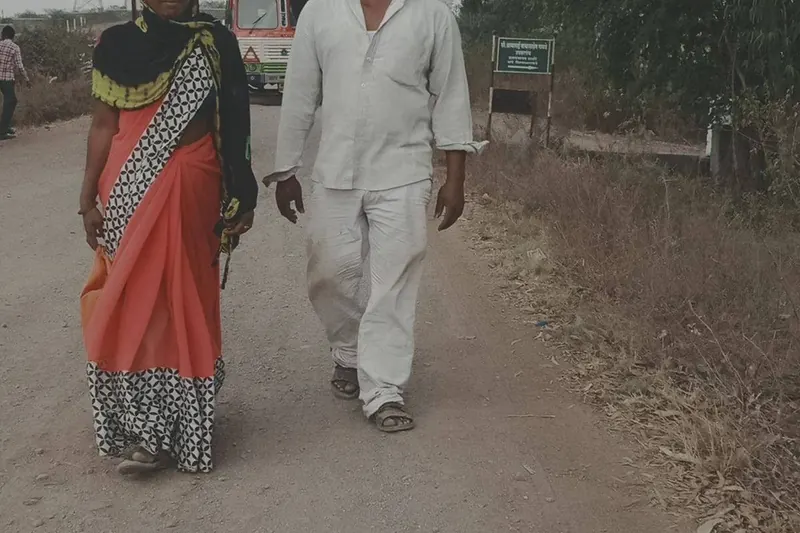
No. Photographs illustrate the kind of place or situation a guide talks about. When we say a poster or a venue looked a certain way, we describe it in words rather than pass off a stock image as evidence.